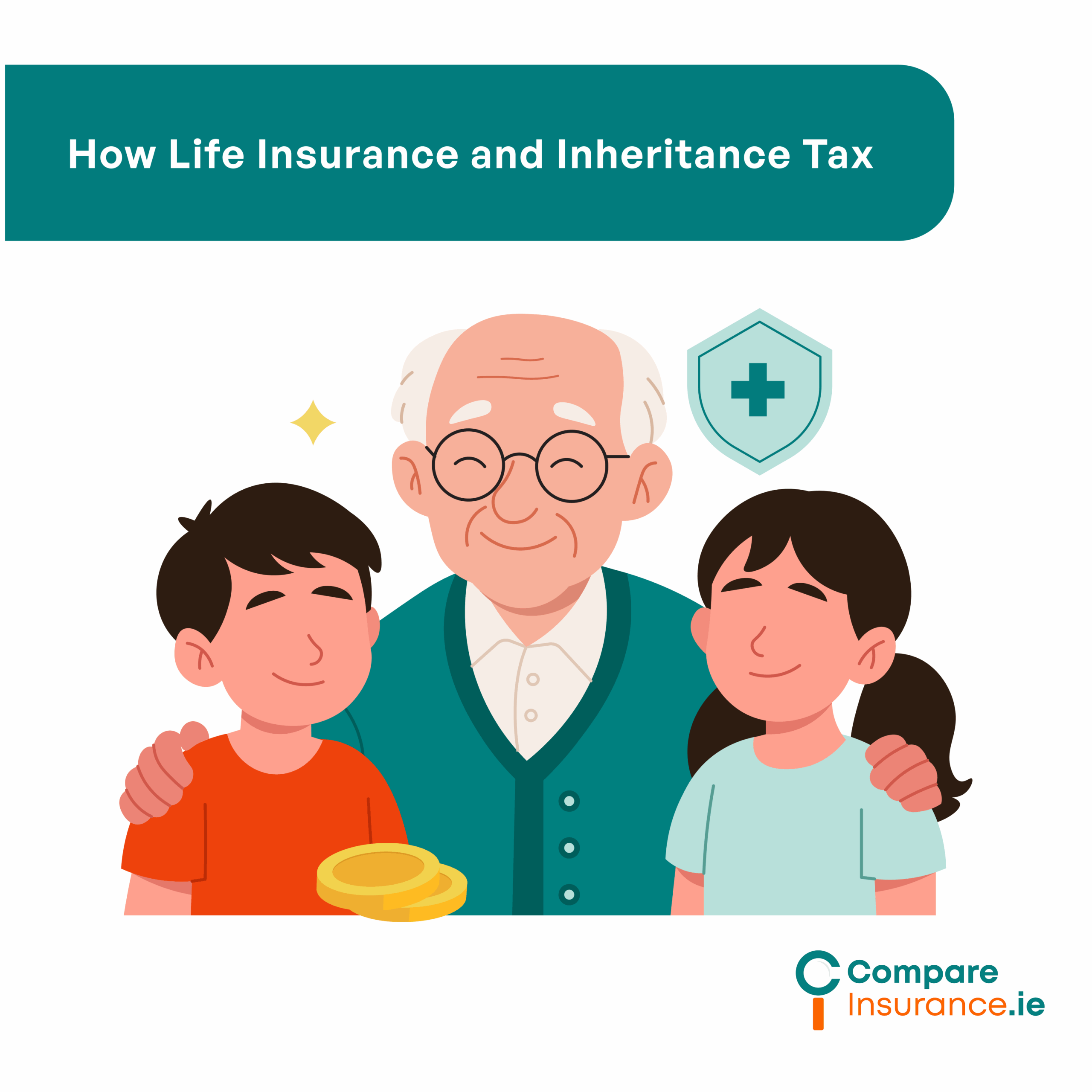
In planning your estate, you may wish to ensure that any assets that you leave to your loved ones are passed on in a tax-efficient way.
Your estate could include your home, your holiday home, your savings, any other assets you have, and your possessions.
A Section 72 life insurance policy (sometimes called a Section 72 life assurance policy) is a specific type of life insurance policy that offers a relatively straightforward and tax-efficient way to ensure that your beneficiaries are protected from having to pay inheritance tax when you die.
What is Section 72 life insurance?
Section 72 life insurance is a whole of life policy that pays a guaranteed amount, no matter what age you die. Having this type of protection in place will mean that your beneficiaries will not be faced with having to sell a family home to pay an inheritance tax bill.
The policy provides a cash lump sum that can be used to pay any inheritance tax bill that arises. The lump sum is tax free provided it is used to pay Capital Acquisitions Tax (CAT). This means that those to whom you leave your assets or property to can inherit them effectively tax free.
This type of life insurance policy is so called because it is approved by the Revenue Commissioners under Section 72 of the Capital Acquisitions Tax Consolidation Act 2003
Capital acquisitions tax
Inheritance tax is properly known as Capital Acquisitions Tax (CAT) and becomes due on any inheritance above a certain threshold.
Capital acquisitions tax (CAT) is a tax on gifts and inheritances and, beyond a certain tax free threshold, is paid at the rate of 33% of the gift or inheritance. The amount of the gift or inheritance that is taxed at this rate will depend on the relationship of the beneficiary to you.
While your spouse or civil partner may not be required to pay CAT, your children, step children, other family members, and those unrelated to you may be required to pay a significant amount of inheritance tax.
CAT groups and thresholds
The amount that can be inherited tax free depends on the relationship between the disponer and the beneficiary.
A spouse or civil partner is not usually required to pay CAT.
Group A includes your children and those of your spouse or civil partner who will have to pay CAT on any inheritance above €400,000.
Group B includes parents, siblings, grandchildren, nieces, and nephews who will have to pay inheritance tax on any inheritance above €40,000.
Group C includes all other categories of relatives or friends, including a partner unless they are your spouse or civil partner. This group will face tax on an inheritance above €20,000.
These thresholds also include any gifts of property, money, or assets that they received during your lifetime.
The current rate of CAT is 33% on any assets or property inherited above the threshold.
Section 72 life insurance considerations
The insurance policy must be a whole of life policy that is not subject to any term. The policy must also be set up specifically as a Section 72 policy, the purpose of a life insurance policy cannot be changed at a later date.
The policyholder, or policyholders in the case of a joint policy, who must be the person(s) leaving the inheritance.
You must be under a certain age limit to set up a Section 72 life insurance policy, depending on the insurer this can be up to the age of 75, depending on the insurer.
You must also pass the medical underwriting process, and premiums will depend on your age, health, and smoking status as well as the amount of cover required.
You must set up the policy in trust, which is a legal arrangement and means trustees must be appointed and beneficiaries named. The advantage of setting up the policy as a trust is that the proceeds will not be subject to probate. This means that the lump sum will be available to pay any tax bill promptly.
Advantages of Section 72 life insurance
This type of life insurance allows you to leave your home or other assets to your beneficiaries tax free, avoiding the 33% rate of CAT.
The lump sum paid by the policy is itself exempt from tax, provided the proceeds of the policy are used to pay the inheritance tax bill.
This will give you peace of mind that the family home would not have to be sold immediately to pay a CAT bill or your beneficiaries would not have to borrow money.
Potential disadvantages of Section 72 life insurance
It is important that the sum assured is calculated correctly to avoid a shortfall between the amount payable by the policy and the inheritance tax bill.
Section 72 life insurance policies can be expensive, depending on the projected inheritance tax liability. This will depend on the value of your estate and the relationship of the beneficiaries to you.
How to set up a Section 72 life insurance policy in Ireland
This type of life insurance is provided by three insurers in Ireland:
It is essential that you seek expert advice to ensure that a Section 72 life insurance policy meets your needs and circumstances and will provide appropriate cover to meet any tax liabilities arising after your death.
This type of life insurance is ideal for you if you are concerned about your beneficiaries facing an inheritance tax bill that they may not be able to afford or that will mean that a cherished asset, such as the family home, will have to be sold to pay a tax bill.
Compare Insurance
At Compare Insurance, we understand that insurance is complex and you may have many questions.
We aim to offer you clear comparisons and advice on all types of insurance, including Section 72 life insurance.
Speak to one of our qualified insurance advisors about insurance when you are planning your estate. We work with all major insurers providing life insurance and Section 72 insurance in the Irish market.
Complete our online insurance assessment, and leave your details to receive a free and impartial consultation with a Central Bank vetted insurance advisor.

Author: Séamus Ó Doirín | Chief Insurance Editor
Séamus Ó Doirín is a Donegal based QFA who has been writing about insurance since 2020. His main focus is getting people the best value for insurance in the Irish market. His writing covers all areas of insurance and is a valuable part of the Compare Insurance team.