
Health insurance benefits for women
Health insurance plans vary in the cover they provide, with some offering additional benefits for specific women’s health needs alongside hospital and outpatient care. If you’re comparing plans, these are the main types of cover to look out for:
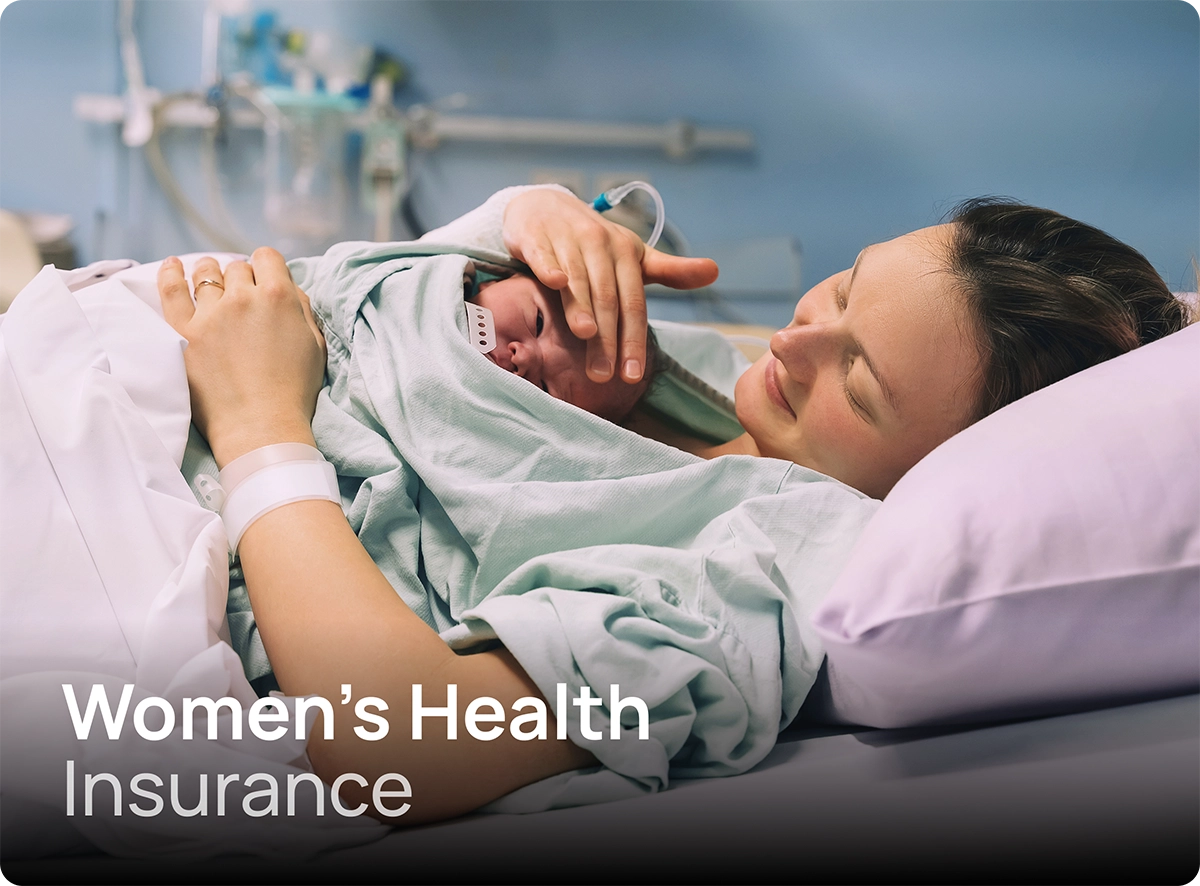
Health insurance can help cover the cost of maternity care before, during and after childbirth.
Typically covers: Hospital stays and delivery consultant fees, with some plans also contributing towards home births, prenatal and postnatal expenses, scans, maternity classes, breastfeeding support and postnatal nursing.
Check your plan for: The level of hospital and consultant cover, allowances for additional expenses, and whether a 52-week waiting period applies. Extra benefits and limits vary by plan.
Some health insurance plans contribute towards fertility investigations and treatment, but not the full cost.
Typically covers: Depending on the plan, benefits may include IVF, IUI, ICSI, fertility consultations and tests, fertility counselling, and certain fertility preservation or genetic testing procedures.
Check your plan for: Which treatments are eligible, the amount you can claim, approved clinics, co-payments and whether limits apply per treatment, per year or over your lifetime.
Some plans offer additional support for perimenopause or menopause.
Typically covers: Depending on the insurer and plan, this could include consultations with a menopause specialist, contributions towards GP visits, and access to advice or treatments for certain symptoms. Some plans add dietitian support and digital health services.
Check your plan for: Whether specialist consultations are included, how much you can claim back, and whether prescriptions, tests and follow-up appointments are covered separately.
Support for period-related issues may be available through general outpatient benefits or some women’s health services.
Typically covers: GP-led appointments, scans and follow-ups for painful, heavy or irregular periods, and conditions such as PCOS.
Check your plan for: Whether a GP referral is required, which clinics are covered, and whether any follow-up tests, scans or treatment are covered.
Gynaecology involves specialist care for the female reproductive system. The level of cover depends on your plan.
Typically covers: Eligible consultant appointments, investigations and treatment may be covered through your hospital or outpatient benefits.
Check your plan for: Consultant fees, diagnostic tests and scans, outpatient limits, excesses and any restrictions on where you can receive treatment.
Selected plans contribute towards an initial consultation with a women’s health physiotherapist for certain pelvic health concerns.
Typically covers: A contribution towards an initial consultation with a women’s health physiotherapist for pre- and postnatal pelvic floor health, bladder or bowel concerns, endometriosis or prolapse.
Check your plan for: The amount you can claim, which practitioners qualify and whether follow-up treatment is included. Some benefits cover only the initial consultation, not ongoing sessions.
Some plans may contribute towards breast health checks and mammograms.
Typically covers: Depending on your plan and circumstances, benefits may contribute towards mammograms and diagnostic investigations such as ultrasound or biopsy.
Check your plan for: Whether routine screening is covered, if investigations must be medically indicated, and what limits or referral requirements apply.
Note: Women aged 50-69 can avail of free BreastCheck screenings, with mammograms every two years. It works by invitation, so you don’t have to arrange it yourself.
The Female Health Consultation service is offered to Irish Life Health customers and includes a short video appointment with a GP who specialises in women’s health.
Typically covers: A contribution towards the consultation, paid directly to the provider, with you paying the balance when you book. Appointments typically last about 20 minutes, covering periods, contraception, menopause and initial fertility questions.
Check your plan for: The number of consultations included, the contribution available and whether you must pay any balance yourself. Blood tests, scans and referrals for further care may fall under separate benefits.
Note: Benefits and policy limits vary by insurer and plan. Check your policy documents to learn more about your level of cover.

Women’s health clinic access
Women’s health clinics bring specialised care to one place, giving you faster access to consultants, diagnostics and follow-up. They often offer a range of services across gynaecology, fertility, menopause and sexual health. Whether you have access to these clinics depends on your plan.
There are a number of large women’s health clinics in Dublin as well as dozens of dedicated clinics across the country.
How does cover change with age?
Just as women have different health priorities at different stages of life, their coverage needs change over time too.
Under-35 women’s cover
The main priority is often getting insured before you turn 35 to avoid the Lifetime Community Rating loading. If you want access to maternity cover, be mindful of the 52-week waiting period. You may also want cover that addresses family planning, and everyday preventive care.
Over-35 women’s cover
If you don’t take out health insurance before you turn 35 there is a 2% increase in price (known as a loading) for each year over 34 years of age. You will have to pay the loading for a maximum of 10 years.
This is also a time when many women require maternity, fertility and breast care services, and may begin looking at perimenopause support.
Over-55 women’s cover
Your priorities may shift towards menopause support, bone health, breast care, and wider cover for conditions that become more common with age. Be careful about downgrading your plan, because you may face waiting periods if you want to upgrade again later.
Maximum loading: The maximum loading is 70%, which applies to women aged 69 or above buying health insurance for the first time.
Free insurance comparison
Find the right cover for your needs
Can you be rejected for health insurance?
If you live in Ireland, you can buy health insurance irrespective of your age, sex, health status, or medical history. This is called open enrolment.
The real risk is having your claim denied for non-disclosure, so it’s best practice to be transparent and avoid omissions.
It’s also important to understand what waiting periods might apply to you. Policies tend to feature waiting periods before you can access certain benefits – this could be up to five years for pre-existing conditions and 52 weeks for maternity.
Who offers women’s health cover in Ireland?
Women’s health benefits are available from the main Irish health insurers, each with different plans and benefit levels:
Irish Life Health
Laya Healthcare
Level Health
Vhi
Frequently asked questions
No, there are no women-specific health insurance plans in Ireland, but some plans include benefits that are more relevant to women’s health, such as maternity, fertility, and menopause.
No, access to fertility cover varies by insurer and plan level.

Get a health insurance quote
Compare insurance plans from top providers and save even more today, hassle-free and fast.